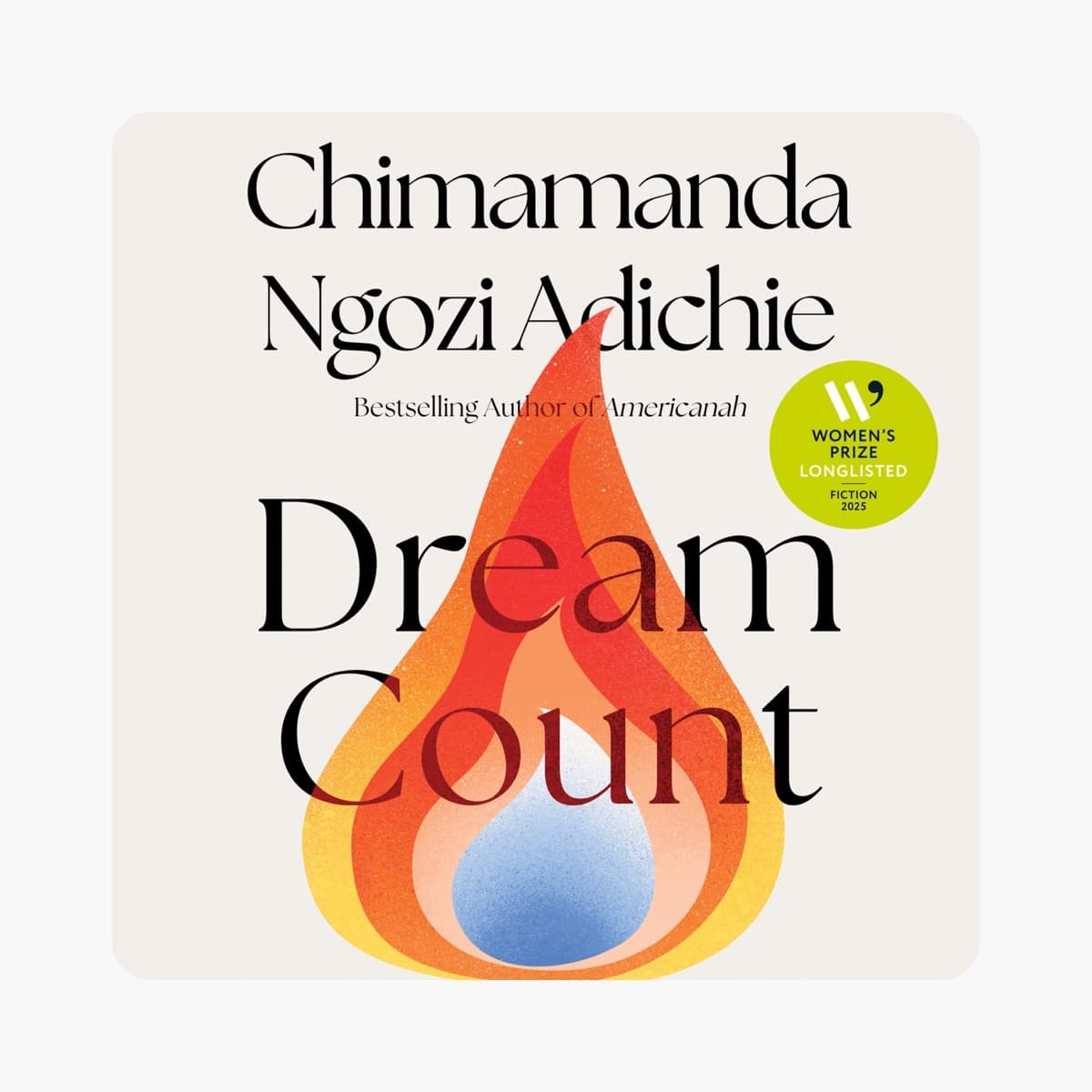
Dream Count
by Chimamanda Ngozi Adichie
Mezy Fadhila
March 4, 2025
Fiction
I think this book is somewhat contemporary in its approach to issues such as marginal groups like people of color, women, and the COVID-19 lockdown, which can relate to everyone's vulnerability.
It is not just its literary quality, but how it captures the emotional, political, and cultural complexities of contemporary womanhood, especially for African women navigating life in the diaspora.
Adichie uses the COVID-19 lockdown as a narrative device to explore themes of loneliness, stalled ambition, reflection, and belonging. Rather than focusing on the pandemic itself, she uses it to pause her characters' lives, forcing them (and us) to confront existential questions about purpose, love, and connection.
The novel weaves together the lives of four women—each distinct in voice, class, and circumstance—into a cohesive narrative mosaic. Their stories reveal how race, gender, class, and migration intersect in different, yet interconnected, ways.
This structure allows Adichie to explore shared vulnerability alongside individual difference, offering no single answer but a plurality of truths.
Adichie explores feminism through the lived, messy realities of motherhood, ambition, sexual violence, aging, and friendship—not through manifesto, but through nuanced character experiences. Each woman’s struggle critiques structures of patriarchy, racism, and power without simplifying them.
What I Loved
The “Dream Count” metaphor questions societal narratives of achievement (career, motherhood, love) and asks:
“What is a life well-lived if happiness is fleeting and success is fragile?”
Adichie suggests that fulfillment lies in small moments of connection and self-acceptance—not in external validation.
Perfect For
Those who are interested in chic and unique fiction around marginal issues. Since the author is also a diaspora herself in a foreign country.
Favorite Quotes
Comments
Loading comments...