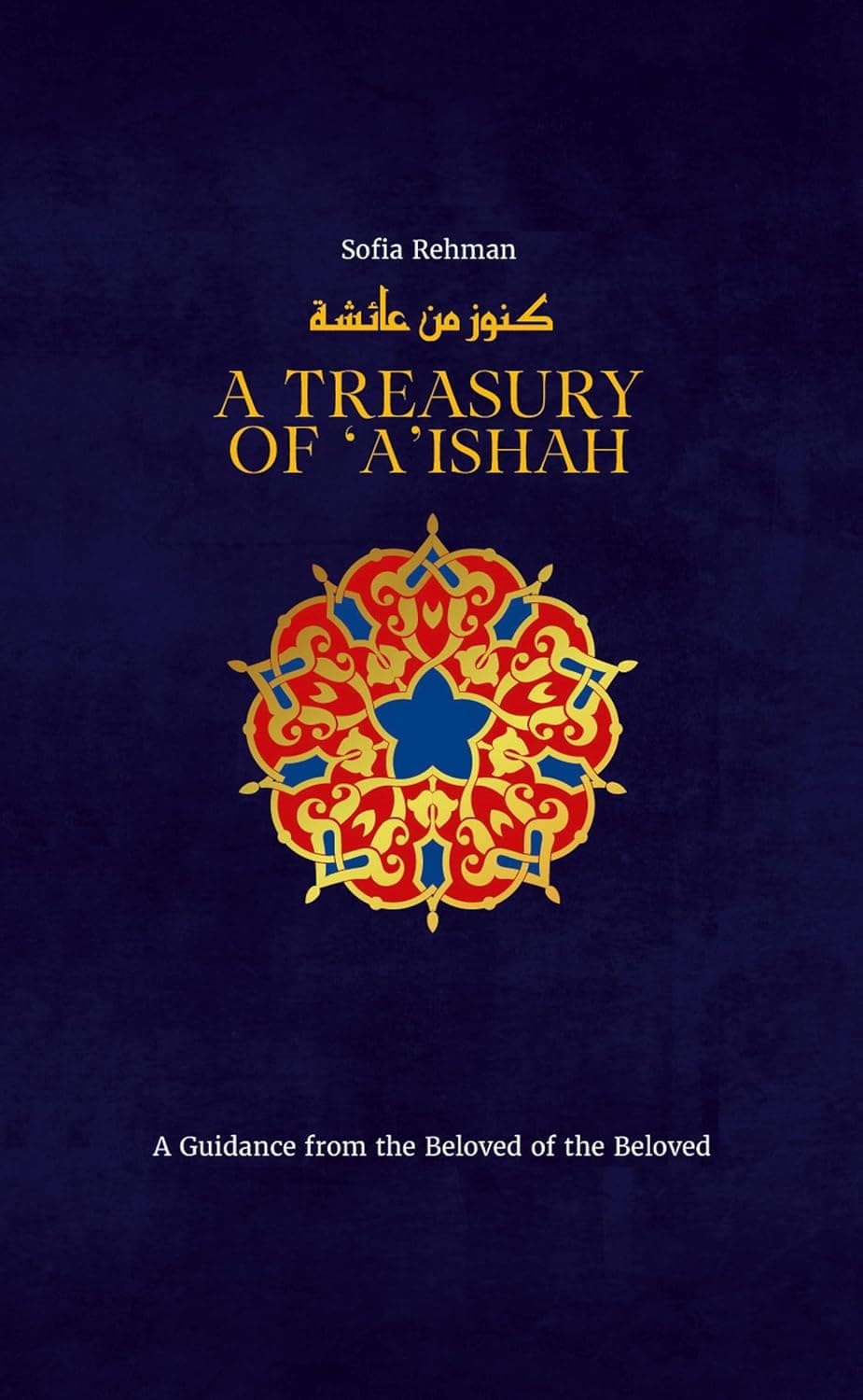
A Treasury of 'A'ishah
by Sofia Rehman
Mezy Fadhila
21 September 2026
HistoricalNon-Fiction
This book is written by Sofia Rehman, who, in this book, said that her area of concentration in her PhD is about Aisyah. I feel moved and assured that I am reading a book by an expert in this field.
The book is only 120 pages in total. Talking about Aisyah's position in Islamic history, how smart she was, and how she already underwent contested things such as feminism, women in politics, Socratic philosophical questions to guide her students, siding with the right rather than being a people pleaser, and capitalism, through the humility of Prophet Muhammad SAW and her dad Abu Bakr ra.
The book is not a full history of Aisyah, but the main and impactful lesson we can carry to face today's and even future challenges in the modern world.
What I Loved
I really need to say this: every chapter is special to me. They moved my heart; I cried, overjoyed and sad, because even though it is expected that Muslim will be divided because of the difference in how people perceive knowledge, Aisyah was the one, and this book reminds us that we need to focus more on the substantive things — what are we practicing, what is the main goal, rather than arguing over technicalities.
The simplicity of the chapter and subchapters gave me a sense of getting to the substance, the essence of hikmah, rather than the technicalities of a book.
The way Sofia told the stories was related, so I could easily relate to, refer to, and remember which story she was referring to. They are clear.
Sofia knows how to put a hook, knows where to emphasize a point, and, most importantly, she knows how to end the chapter perfectly. Leaving me to reflect deeply afterward. And grateful to be a muslim.
What Could Be Better
The writer used, from my point of view, fancy words in English that I needed to use helper tools to understand them better, such as Google Lens :)
Perfect For
Comments
Loading comments...