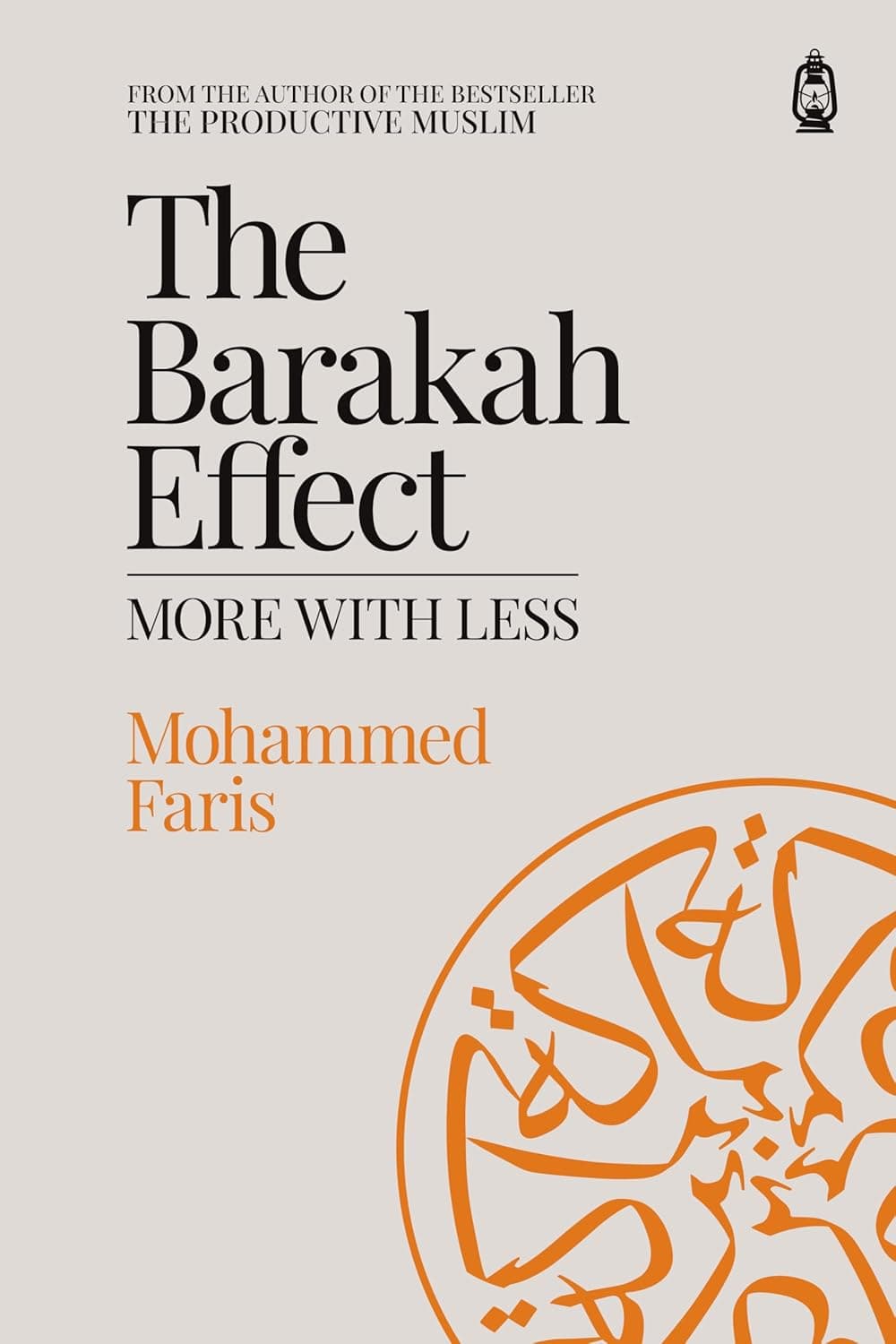
The Barakah Effect: More With Less
by Mohammed Faris
Mezy Fadhila
January 1, 2024
Non-FictionSelf-Help
The 14-chapter book revealed what barakah, the barakah culture, as an alternative to the hustle culture is. The gardener mindset vs the carpenter mindset. The role and power of intentions.
God-centric life. Practical pillar of barakah and attracting barakah.
I really think this is the "cheat sheet" of the time realm and the privilege of being a Muslim.
The overall tone of this book is to provide a practical framework for a more meaningful, spiritually fulfilling, and productive life by attracting Barakah, helping readers achieve More with Less.
What I Loved
The first thing that triggered my mind and heart was: have you ever felt you run out of time, as if you need more hours in a day?
When the book explained what barakah is, I felt refreshed, not because the idea is new to me, but because hustle culture (the lifestyle I have been in for the past few years) has affected my thoughts and habits to hustle all the time, to feel not enough, to want more over everything, to own more, etc. This lifestyle has been embedded in me so that I forget how the Islamic framework is there all along to provide peace of mind, to let go of things you can't control, and to be more concerned with the intentions rather than the outcomes.
The book even taught me what barakah parenting, leadership, and adulthood look like.
Like a slap in the face, there is Allah to be called home, to ask for, to request anything. The stories about Solawah to Prophet Muhammad have the special barakah effect, so enter the touching stories of someone who have debt that makes the Prophet (who is already past the time he made the Prophet as the guarantor upon the judge), then being freed from his debt from everyone helped by the Major and the Judge in the trial. The western-minded me would not thought it possible, but the religious me will be touched by this heartwarming culture.
The hustle culture would say: you must do these and those by the time you die, you should fear death since it is the end of the known world. You should have more. You should have goals as if you have all the controls.
The barakah culture says: live well, prepare for your death. You should concern more on your intentions (because it will articulate your acts and if you don't achieve your goals it does not matter when you already did your best) and invest your time and energy more in the process, worry less on the results/outcomes (we have sabr and shalah for either thing that happens and for you to let go for the fail attempt (it is just merely redirection from Allah).
Comments
Loading comments...