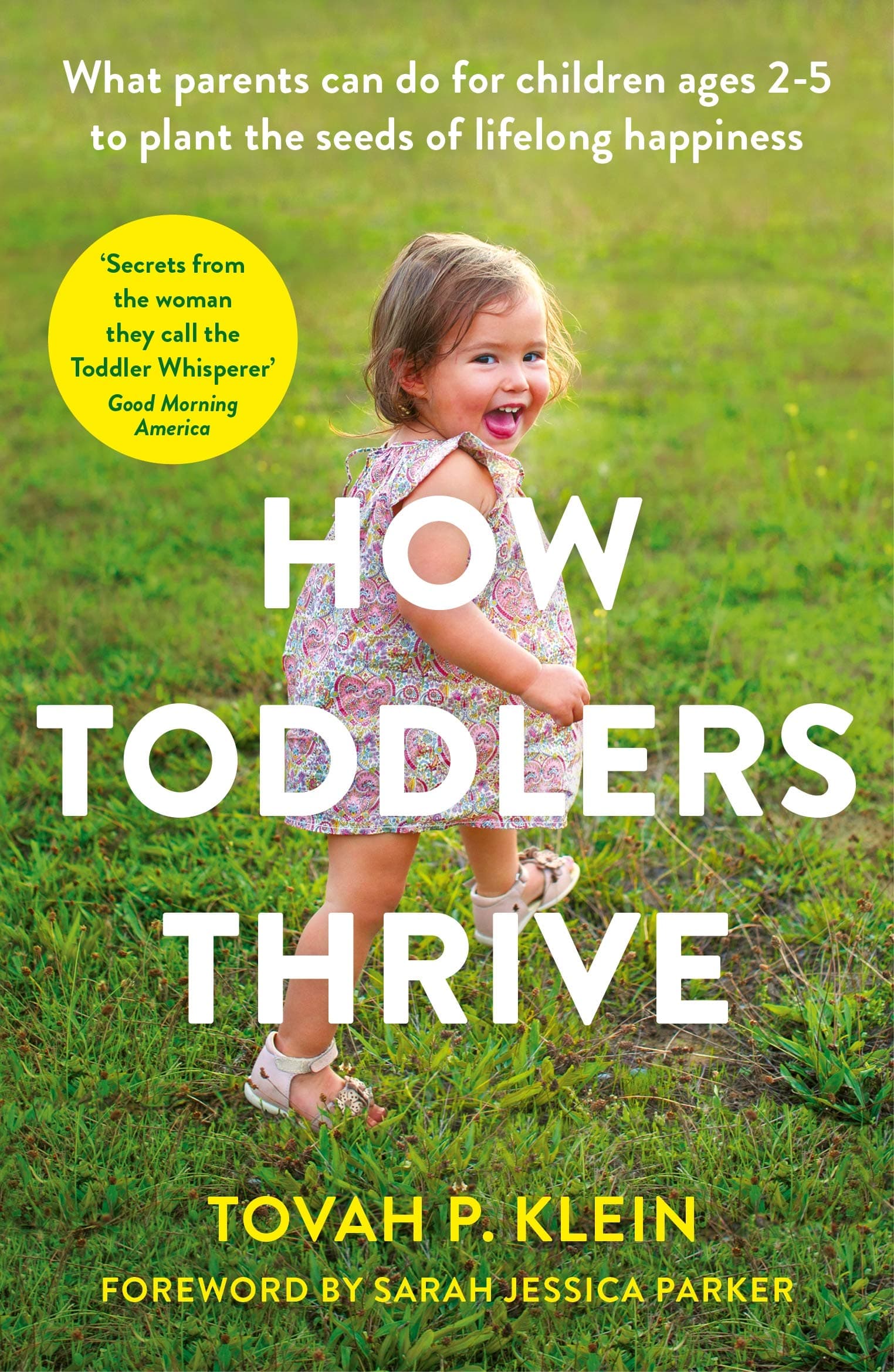
How Toddlers Thrive
by Tovah P Klein
Mezy Fadhila
February 8, 2014
Self-HelpNon-Fiction
It has a special place in my experience of reading parenting books.
It really reflects deep insights into how toddlers think and behave.
It helps me put myself in my toddler’s shoes and speak closely to me as the caregiver. It was practical and well-supported by semi-structured observation data. It also feels personal because Tovah is a mom herself.
Great to meet this book.
My takeaways:
Help the child with their “problems” so you can raise the problem solver kids. they
dont end up could solve their problem if had not been taught how. Now is the
chance to help them build these skills.
Calm, when your child is tantrum. be near them, but not interupt. they still need you
close. ask them if they are done. name the feelings (sad, dissapointed, angry,
etc), help them regulate. show how to deal with the ‘problem’.
Transitions for kids entail: loss (of comfort zone, comfort routines, comfort of
familiarity). Let them mourn their old comfort, do the sentimental things (pack
the old toys, visit the school before departure, etc), prepare them for the new
routines, make it about them, prepare to give them caution of the change not
too long before the ‘impact’. They don't sense the time frame. They only know
the present.
if they are throwing things, they want to tease you as parents. be casual about it,
give them ‘place’ to throw them.
Have a humor, laugh a lot. it will be easier for your child and you.
Give them a roadmap, as in the path (the routine) on the baseline, on how to do
stuff. Like having a dinner together, so they know how to eat and have a
conversation with other people. instead of rules. More rules mean more battles.
You are their rock. Be there with him in his struggle and adversity. It says: it's ok.
I'm here with you. And you can start over when you are ready.
Don't praise them a lot. Praise means control. Be with them, smile with them when
they smile at you. Hug them when they run to you. Make the praise/compliment be
we celebrate your post-struggle happiness/satisfaction, it's all about you!.
More praise means we are happy because you met our expectations and pleased us,
based on our standards. Instead, we want to celebrate them as they are, what
they like and value.
Boredom is good. Let them be. It's not your task to make your kids happy. Your task is
to be there when adversities happen. Make them believe they can bounce back,
make them feel secure by having you around.
Comments
Loading comments...