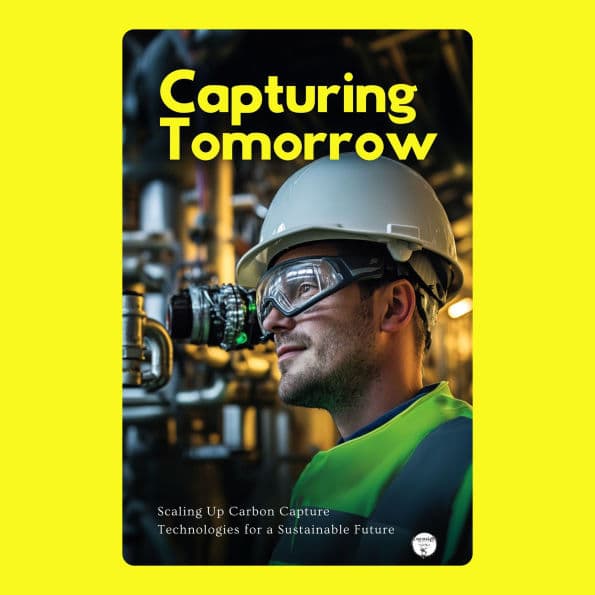
Capturing Tomorrow: Scaling Up Carbon Capture Technologies for a Sustainable Future
by S. Williams
Mezy Fadhila
April 1, 2025
Non-Fiction
The book offers a comprehensive overview of how this technology could operate, addressing the dynamics of ethics, community and trust, environmental and safety concerns, biodiversity concerns, regulatory complexity, and the spirit of national collaboration.
The most urgent challenge in the CCS field is cost, which remains high but may decrease over time.
It complements my CCS course in Energy and Sustainable Development in my 1st semester of my Master's program. By 2030, the researchers want to reach 7% of CO2 emission mitigation coming from CCS, so right now it makes sense that there are many studies and research, including this book, to be part of that journey.
What I Loved
New, fresh framing on how BECCS mimics the natural sequestration of plants but makes energy out of them.
The emphasis of the climate strategies is on complementing one another rather than standing alone as climate solutions.
What Could Be Better
The narrative could have delivered the content without technical issues on the recording. I found that repetitions really disrupted the listening flow and, hence, the listener's focus.
Repetitions also happened in the words "superhero in climate solution". I think it is a bit hyperbolic since I think CCS is not a silver bullet, at least not yet.
Perfect For
The book obviously says it's for teenagers or lifelong learners who want to safeguard the earth.
A professional in the climate world to have a light insight into the recent technologies and what they entail.
Favorite Quotes
Comments
Loading comments...